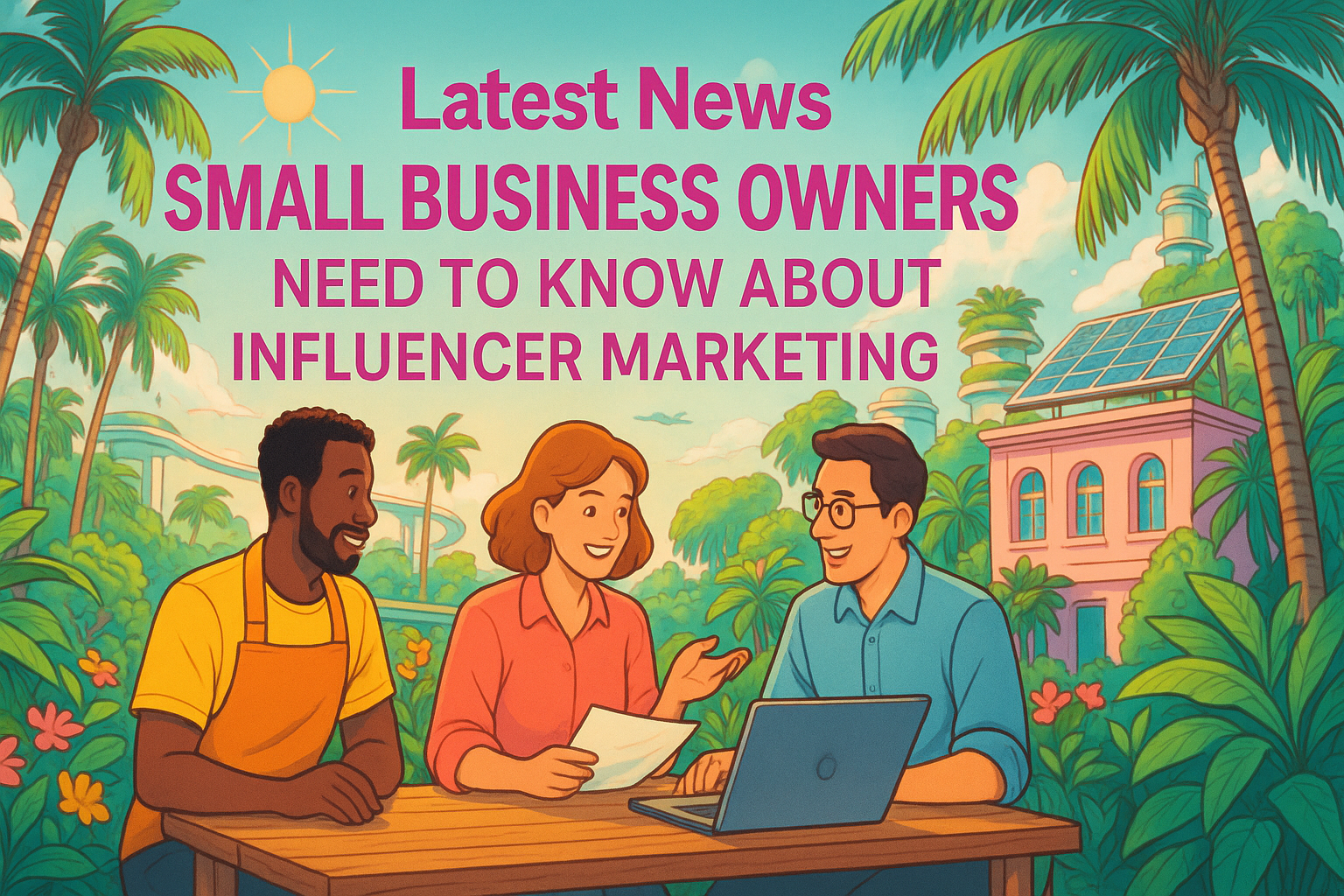
Latest News Small Business Owners Need to Know About Influencer Marketing
Published on May 4, 2026
In today’s fast-moving marketing landscape, Latest News Small Business Owners Need to Know About Influencer Marketing highlights how small brands can leverage authentic creator partnerships to boost awareness, trust, and sales without breaking the bank. The latest signals point to a growing emphasis on micro‑influencers, local relevance, and measurable ROI. Here’s what you should know and how to act on it this week.
Why influencer marketing matters for small businesses right now
Influencer marketing isn’t just for big brands. For small businesses, authentic creators offer access to niche audiences with higher engagement and trust. Micro-influencers—those with smaller, highly engaged followings—often deliver better results for SMBs than high-cost celebrities. The current news cycle reinforces the value of local, relatable voices that can drive foot traffic, online conversions, and long-term loyalty.
What’s changing in the influencer ecosystem for SMBs
Recent developments indicate a few practical shifts SMBs should adopt:
- Micro-influencers take the spotlight: SMBs can partner with creators in their local area or niche communities to gain authentic reach at a fraction of the cost of mega-influencers.
- Authenticity beats polish: Audiences respond to real-life demonstrations, behind-the-scenes content, and unscripted reviews more than highly produced promotions.
- Clear disclosures drive trust: Visible, compliant sponsorship disclosures build credibility with local audiences and protect brands from backlash.
- UGC multiplies impact: Encouraging user-generated content helps extend reach and provides social proof at scale.
How to start a micro-influencer program that works for a small business
Below is a practical, starter-friendly approach designed for tight budgets and limited time.
Choose one objective (for example, drive in-store visits or sign-ups for a loyalty program) and align it with a 4–6 week campaign. Look for micro-influencers whose audiences resemble your customers in location, interests, and needs. Prioritize engagement quality over follower count. Use a friendly, concise message that outlines mutual value, suggested content ideas, posting timing, and transparent disclosures. Give creators creative freedom within clear guardrails so posts feel natural to their audience. Provide trackable links, promo codes, or affiliate codes to gauge impact and ROI. If a collaboration performs well, consider a longer-term ambassador role to build consistency and trust.
Effective content formats and channels to prioritize
To maximize impact, diversify content formats while staying authentic to each creator’s voice:
Reels, Shorts, and TikTok videos that showcase real use, quick tips, or before/after moments. Honest demonstrations that highlight practical benefits and real-world applications. A look at how your product is made or how services are delivered, building transparency and trust. Encourage customers to share their experiences with a branded hashtag and feature the best submissions. Prioritize Instagram/TikTok for consumer brands, YouTube Shorts for tutorials, and Facebook groups for local communities.
Measuring ROI and staying compliant
Successful influencer activity for SMBs hinges on practical measurement and responsible practices:
Track likes, comments, shares, and saves to gauge resonance, not just vanity metrics. - Traffic and conversions: Use trackable links or codes to attribute visits and purchases to specific creators.
- ROI and budget discipline: Compare campaign costs (payments, product samples, and logistics) against incremental revenue.
- Disclosures and compliance: Ensure clear sponsorship labeling (e.g., #ad, #sponsored) to maintain trust and comply with platform policies.
Practical example: a local cafe’s micro-influencer win
A neighborhood cafe partners with two local micro-influencers for a 1-week combo post and story sequence highlighting a seasonal drink and a small in-store event. Each influencer shares an authentic, unscripted clip that showcases the product in a real setting. The campaign uses a unique promo code and a landing page to measure redemptions. Within ten days, foot traffic increases by a notable margin, and loyalty sign-ups grow as a direct result of the influencer content. The metrics are clear, and the ROI is trackable.
Tools and resources to streamline your program
- Influencer discovery and outreach platforms to find micro‑influencers and manage collaborations
- UGC collection and rights-management tools for easy content reuse
- Analytics and attribution tools to measure traffic, conversions, and ROI
- Clear disclosure templates and guidelines to ensure compliance
Conclusion
Building an influencer program on a tight budget is entirely feasible when you focus on micro-influencers, authentic content, and straightforward ROI measurement. The latest news underscores the value of local relevance, trust-building, and a human-centered approach to influencer marketing for small businesses. If you’d like help designing a local, ROI-focused influencer plan or a social media calendar, we’re here to help.
Need help with your web site, marketing, or AI Agents, call or text us at +1 (863) 225-1713