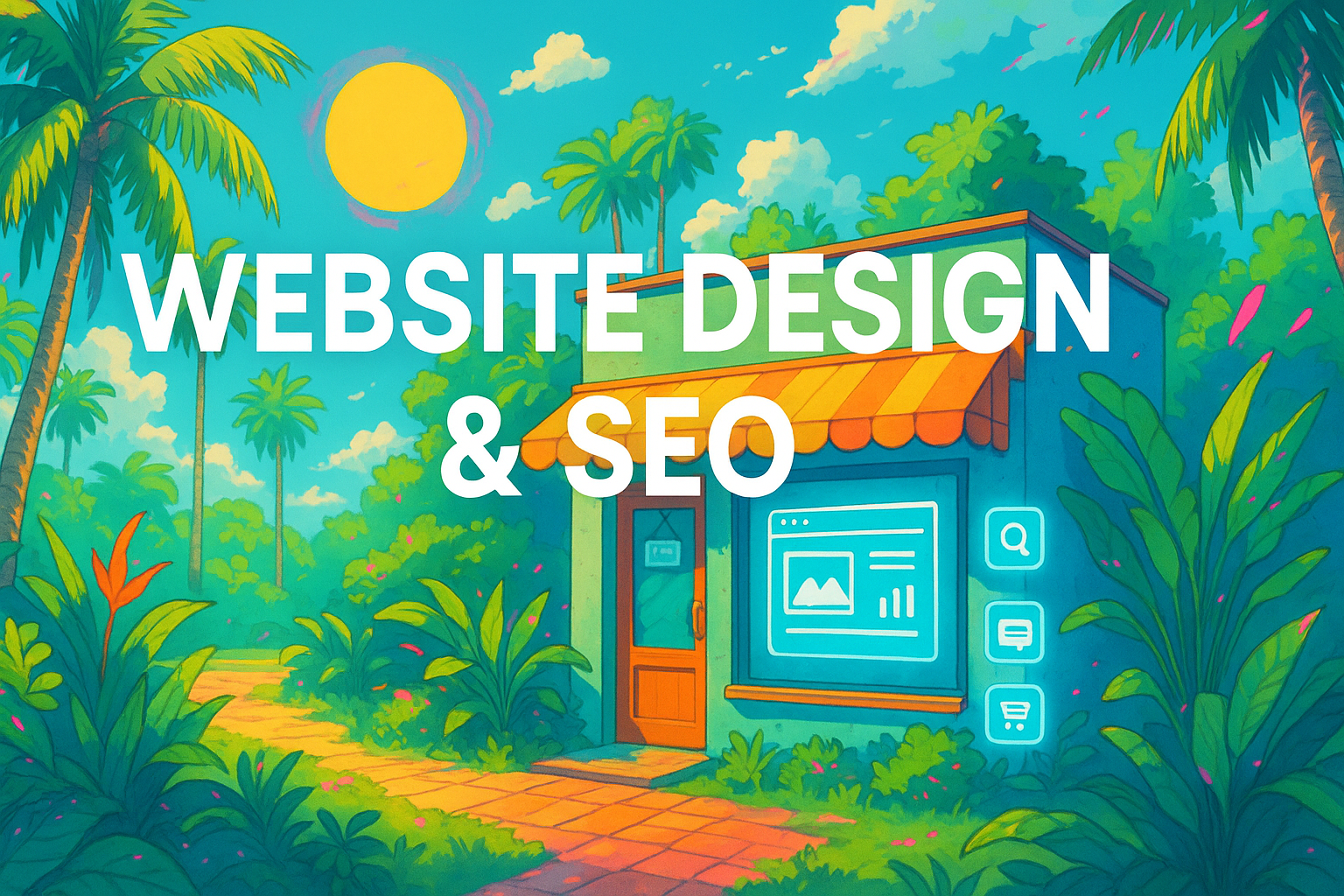
Latest News Small Business Owners Need to Know About Website Design and SEO
Published on July 01, 2026
For small business owners, 2026 is shaping up to be the year when website design and search engine optimization (SEO) no longer live in separate silos. The latest news for small business owners underscores a simple truth: your site’s design and its visibility in search results must work together to attract, convince, and convert visitors. This post dives into what’s driving success in 2026 and offers practical actions you can take now to align your website design with AI-enhanced SEO tactics. Latest News Small Business Owners Need to Know About Website Design and SEO highlights how local SEO, improved user experiences, and trustworthy messaging are converging to power conversions.
Why Website Design and SEO Must Be Integrated from Day One
In 2026, search engines favor websites that deliver fast, accessible, and meaningful experiences. That means a well-structured site, clean navigation, readable content, and fast load times are no longer nice-to-haves—they’re prerequisites for ranking and conversions. When design decisions and SEO choices are made together, you create a site that not only ranks but also engages visitors and turns them into customers.
Key ideas from the latest industry chatter include:
- Local SEO as a foundation: Optimizing for local search helps nearby customers find you when they’re most likely to convert.
- AI-powered search optimization: AI assists with keyword insights, intent detection, and content gaps, enabling smarter on-page optimization.
- Trust and clarity: Clear value propositions, transparent CTAs, and consistent branding reduce friction and boost conversions.
- Performance and accessibility: Page speed, mobile-friendliness, and accessible design improve both user experience and SEO signals.
What’s Working in 2026: Local SEO, AI, and User Experience
Recent explorations into 2026 best practices show a durable pattern: when local visibility, fast UX, and AI-assisted optimization converge, small businesses win. Below are the practical elements to lean into:
- Local visibility with structured data: Use schema markup for local businesses, address consistency, and optimized Google Business Profile listings to appear in local packs.
- AI-driven keyword and content strategy: Employ AI tools to identify high-intent keywords, topics with real question-based demand, and content gaps that your audience cares about.
- Mobile-first design and speed: Prioritize a mobile-first approach with fast loading times, readable typography, and simplified navigation to reduce bounce.
- Trust-building messaging: Use testimonials, case studies, and transparent pricing to establish credibility and improve on-page engagement.
In short, the latest news points to a more integrated approach: SEO informs design decisions and design enhances SEO signals, all underpinned by AI-assisted optimization for faster, smarter results.
Practical Actions Small Business Owners Can Take This Week
Run a quick audit and fix any obvious blockers (large images, render-blocking resources, or inaccessible elements) to improve Core Web Vitals and inclusivity. Create a simple keyword map that matches user intent with on-page content, meta titles, and headers. Ensure your NAP (name, address, phone) is consistent across directories and optimize your Google Business Profile with fresh posts and photos. Review navigation, CTA placement, and form lengths to reduce friction for mobile users. Revise headlines and hero copy to clearly express the benefit you deliver, followed by a strong call to action. Leverage AI to generate topic ideas, outline content, and identify internal linking opportunities, while maintaining human quality control.
These steps align website design with SEO goals, ensuring that technical performance, user experience, and content strategy reinforce each other rather than operate in isolation.
Measuring Success: What to Track in Website Design and SEO
To understand whether your integrated approach is paying off, track a balanced set of metrics that reflect both user experience and organic visibility:
- Organic traffic and keyword rankings: Monitor growth in organic sessions and the rankings of core local and intent-based keywords.
- Conversion rate and on-page engagement: Measure conversions, form fills, and engagement metrics like time on page and scroll depth on key landing pages.
- Site speed and accessibility scores: Track Core Web Vitals and accessibility compliance as ongoing quality signals.
- Backlinks and brand mentions: Assess the quality and quantity of backlinks and the presence of your brand in local and industry contexts.
- Local presence signals: Monitor Google Business Profile interactions, reviews, and local pack appearances.
By aligning these metrics with the integrated design-and-SEO strategy, you’ll get a holistic view of how improvements in website design impact search visibility and conversions.
Avoiding Common Mistakes in Website Design and SEO
Even with a clear plan, SMBs often stumble. Here are frequent missteps and how to prevent them:
- Ignoring mobile performance: A mobile-unfriendly site loses not only users but ranking signals.
- Disjointed messaging and branding: Inconsistent messaging erodes trust and lowers conversion rates.
- Overlooking local optimization: Skipping local signals can cause missed opportunities in nearby searches.
- Underinvesting in accessibility: Accessibility is not optional; it expands reach and compliance while improving UX for all users.
- Keyword stuffing or black-hat tactics: Authentic, user-focused content and ethical optimization yield sustainable results.
By keeping the user at the center and letting data guide decisions, you’ll avoid these pitfalls while building a more resilient online presence.
The “latest news” for small business owners suggests a future where website design and SEO are not separate tasks but a single, collaborative discipline. Expect AI-powered insights to guide content, structure, and optimization, with an emphasis on local relevance, trustworthy messaging, and fast, accessible experiences. By proactively aligning design and SEO today, you position your business to capture intent-driven traffic, build lasting trust, and grow sustainably in 2026 and beyond.
Need help with your web site, marketing, or AI Agents, call or text us at +1 (863) 225-1713